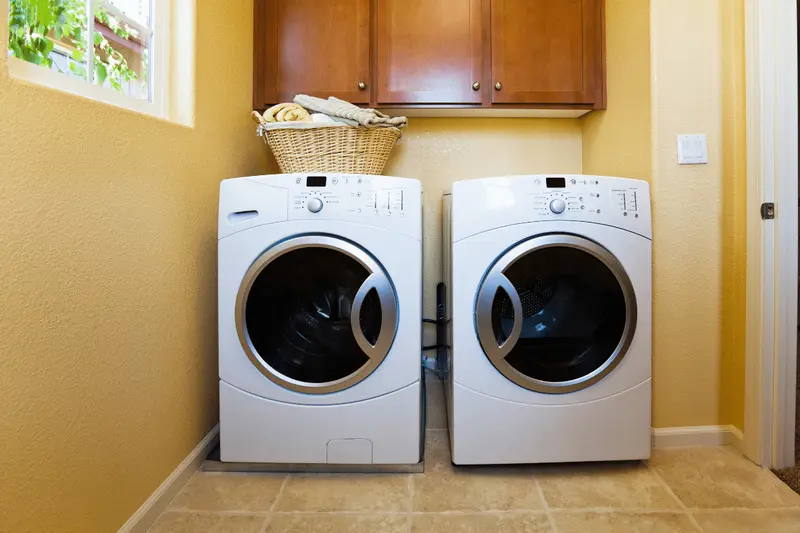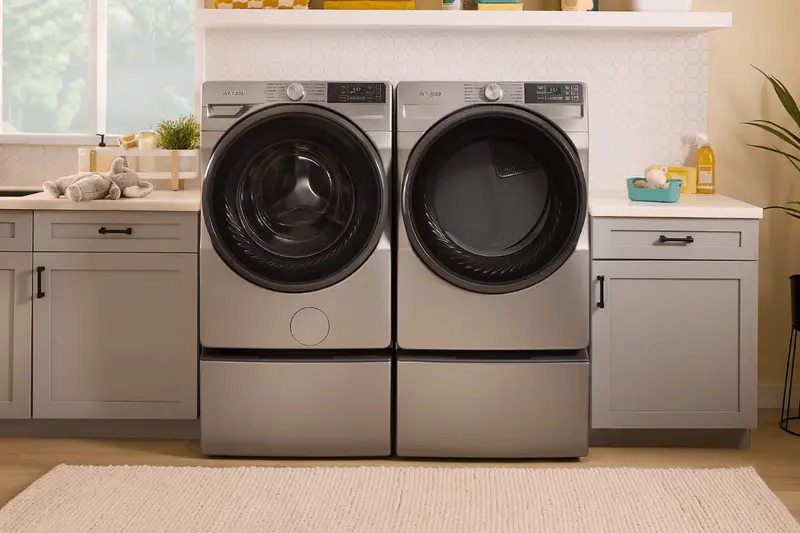
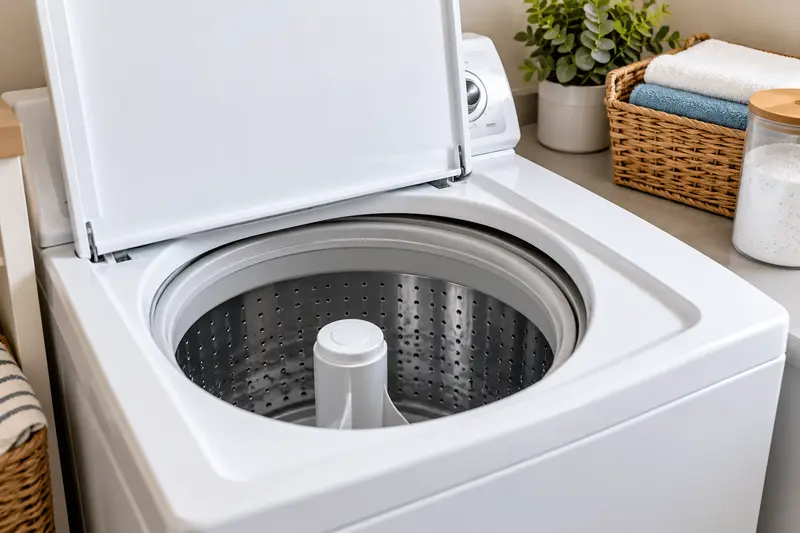
A washing machine needs a reliable water supply to clean clothes properly. When the drum remains empty or fills much more slowly than expected, your laundry routine can come to a standstill. A washer not filling with water may be experiencing anything from an incorrect cycle setting to a malfunctioning internal component.
Understanding the possible causes can help you recognize what may be preventing your washer from filling properly and why the issue needs attention.
Common Reasons for a Washer Not Filling With Water
Washing machines rely on water supply connections, inlet valves, safety switches, and controls to manage the filling process. If one of these systems stops working correctly, the washer may fail to fill, fill too slowly, or stop before the wash cycle begins.
Here are seven possible causes for a washer not filling with water.
1. Incorrect Cycle Settings or a Delayed Start
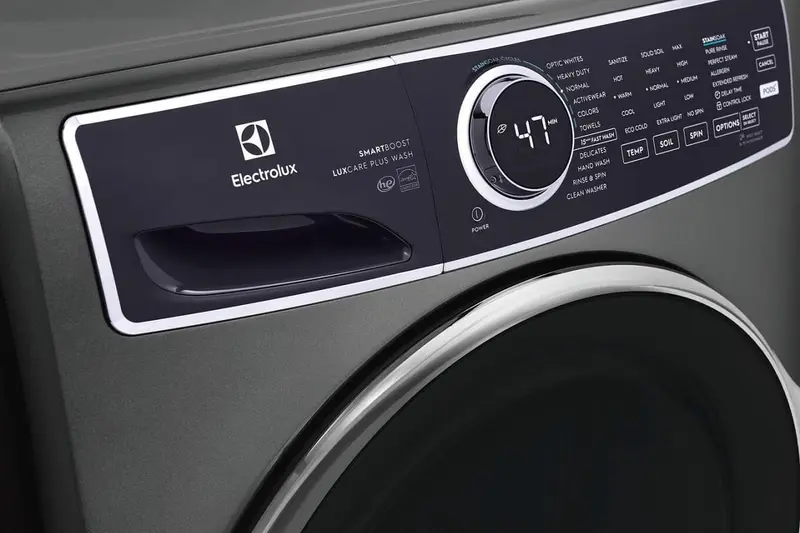
Modern washing machines offer different cycles that control water levels, temperatures, and wash timing. Some high-efficiency models begin with a sensing period before allowing water into the drum.
This means a washer that does not fill immediately after pressing Start may be operating normally.
A delayed-start setting, paused cycle, or incorrect selection can also make it appear that the machine is not receiving water.
Common signs include:
- The washer pauses briefly before filling
- The display shows a delay or sensing message
- The problem occurs only with certain cycle selections
- The machine eventually begins filling without an error
What to Check First: Review the selected cycle and any messages on the control panel. Consult your owner’s manual to determine whether the washer normally pauses before filling.
If the machine remains empty beyond its expected sensing period or displays a water-related error, another problem may be responsible.
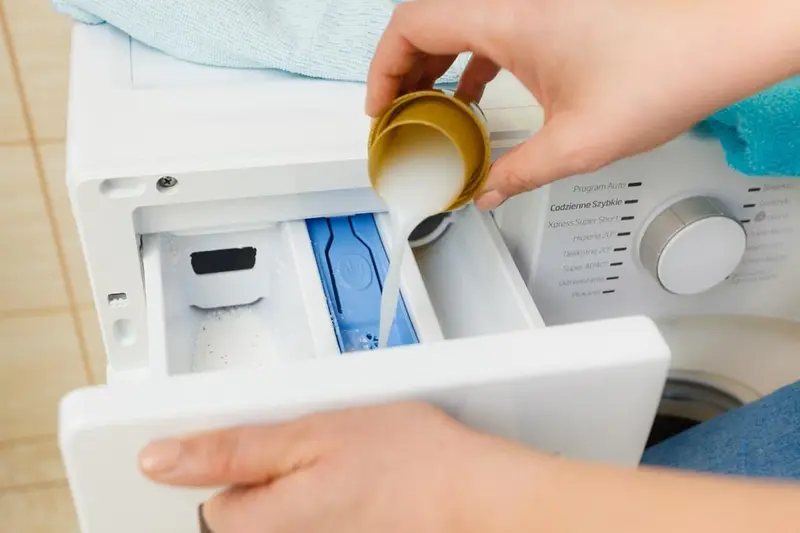
Choosing the right detergent also plays an important role in washing performance. Learn more about how to choose the best laundry detergent for your washing machine.
2. A Closed Water Supply Valve or Household Water Issue
Your washing machine depends on the home’s water supply to fill the drum. If a supply valve is closed or household water pressure is too low, the washer may receive little or no water.
Some washers require adequate pressure at both the hot and cold water connections, even when a particular temperature setting is selected.
A temporary interruption to household water service can produce similar symptoms.
Possible warning signs include:
- The washer fills unusually slowly
- No water enters the drum
- The appliance displays a water supply error
- Water pressure seems weak elsewhere in the home
- The problem began after plumbing work or a water interruption
What to Check First: See whether nearby sinks have normal water pressure. If the washer’s water supply valves are already visible and safely accessible, confirm that they are in their normal operating positions.
Do not pull the washing machine away from the wall or reach behind it to inspect connections.
If household water pressure is normal but the washer still will not fill, a technician can investigate the appliance’s water supply system.
3. A Clogged Water Inlet Screen
Many washing machines have small mesh screens where the water supply hoses connect to the inlet valve.
These screens help keep sediment and other particles from entering the valve. Over time, mineral deposits or debris from the water supply can restrict water flow.
When a screen becomes clogged, the washer may fill slowly or fail to receive enough water to complete the selected cycle.
Common symptoms include:
- Water enters the washer more slowly than usual
- The machine takes longer to begin washing
- The washer displays a filling error
- One water temperature setting works better than another
What to Check First: Note whether the washer receives any water and whether the problem changes with the selected temperature.
Because inlet screens are located at hose connections, inspecting them typically involves handling plumbing connections and accessing the back of the appliance. Leave this work to a qualified technician.
A professional can determine whether restricted screens, mineral buildup, or another water supply issue is preventing normal filling.
4. A Faulty Door or Lid Lock
Washers use door or lid safety mechanisms to help prevent operation when the appliance is not properly closed.
Depending on the model, a defective lock or switch may prevent the wash cycle from starting or stop the machine from progressing to the filling stage.
Front-load washers typically use a door lock assembly, while top-load models may have a lid switch or lid lock system.
Possible signs include:
- The washer does not begin filling after Start is pressed
- The door or lid does not close securely
- A lock indicator flashes or an error appears
- The machine repeatedly attempts to lock the door
- The washer stops before the wash cycle begins
What to Check First: Make sure no clothing is caught around the door or lid opening and that the closure is not visibly damaged.
If the door or lid will not secure properly, avoid forcing it shut.
A technician can evaluate the lock mechanism and related electrical components. Never attempt to bypass the washer’s safety switches or locking features.
5. A Defective Water Inlet Valve
The water inlet valve controls how water enters the washing machine. It opens when the washer’s controls call for water and closes when the required amount has been supplied.
If the valve becomes mechanically damaged or develops an electrical fault, it may fail to open properly.
This can prevent water from entering the washer even when the household supply is functioning normally.
Common warning signs include:
- The washer does not fill despite normal household water pressure
- Only hot or cold water appears to enter
- Filling becomes slow or inconsistent
- A water inlet error appears on the display
The symptoms can resemble those caused by clogged inlet screens, which is why professional diagnosis is important.
What to Check First: Note whether the problem occurs with both hot and cold wash selections, provided those settings can be used normally.
Do not disconnect hoses or attempt to test the inlet valve.
If the water supply is working but the washer still fails to fill, a washer repair professional can evaluate the inlet system and determine whether the valve assembly needs replacement.
6. A Malfunctioning Water Level Sensor or Pressure Switch
A washer must monitor the amount of water in the drum to determine when filling should stop.
Depending on the model, it may use a pressure switch, water level sensor, or another sensing system to communicate this information to the controls.
If the system incorrectly indicates that the drum already contains enough water, the washer may stop filling too soon or fail to begin filling as expected.
Possible symptoms include:
- The washer fills to an unusually low level
- Water levels vary unexpectedly between similar loads
- The machine pauses or displays a water level error
- The wash cycle does not progress normally
Some high-efficiency washers intentionally use less water than older models. A low visible water level is not necessarily a malfunction.
What to Check First: Compare the washer’s behavior with the normal operation described in the owner’s manual.
If the machine consistently fails to add enough water or displays an error, professional service is recommended.
A repair technician can evaluate the sensing system and identify whether the issue involves the sensor, its associated components, or the appliance’s controls.
7. A Faulty Electronic Control Board
The electronic control board coordinates the washer’s operating functions, including when water should enter the drum.
If the board develops a fault, it may fail to send the appropriate signal to the inlet valve or interrupt the cycle before filling begins.
Control board problems can be difficult to identify because their symptoms overlap with those of faulty switches, valves, and sensors.
Possible warning signs include:
- The washer fails to fill despite normal water pressure
- Cycle selections behave inconsistently
- The display shows recurring error codes
- The machine stops at different points in the cycle
- The washer does not respond normally to its controls
What to Check First: Record any error codes and note whether the problem occurs on every wash cycle.
Avoid attempting to access the control board or internal wiring.
A qualified technician can diagnose the electrical and control systems to determine whether the board is defective or another component is preventing the washer from filling.
When to Schedule Professional Washer Repair
A washer not filling with water can be caused by several different problems.
While checking cycle selections and observing household water pressure may help identify a straightforward issue, persistent filling problems require professional attention.
Apex Appliance Repair & Service washer repair experts help homeowners identify the causes of washer filling problems and restore dependable laundry performance.